What is Batik?
Batik is both an art and a craft, which is becoming ever more popular and well known among contemporary artists all over the world, as a wonderfully creative medium. The art of decorating cloth using wax and dye, has been practised for centuries in many parts of the world including China, Japan, India, South America and Europe.
In Java, an island in Indonesia, batik is part of an ancient tradition, and some of the finest batik cloth in the world is still made there. The word batik originates from the Javanese word “tik” which means to dot. Batik is both a verb (to batik) and a noun (a batik – an object made by batiking!). Batik is usually made on a fabric surface (such as cotton, silk, linen, rayon or hemp), but batik techniques can also be used on paper, wood, leather and even a ceramic surface.
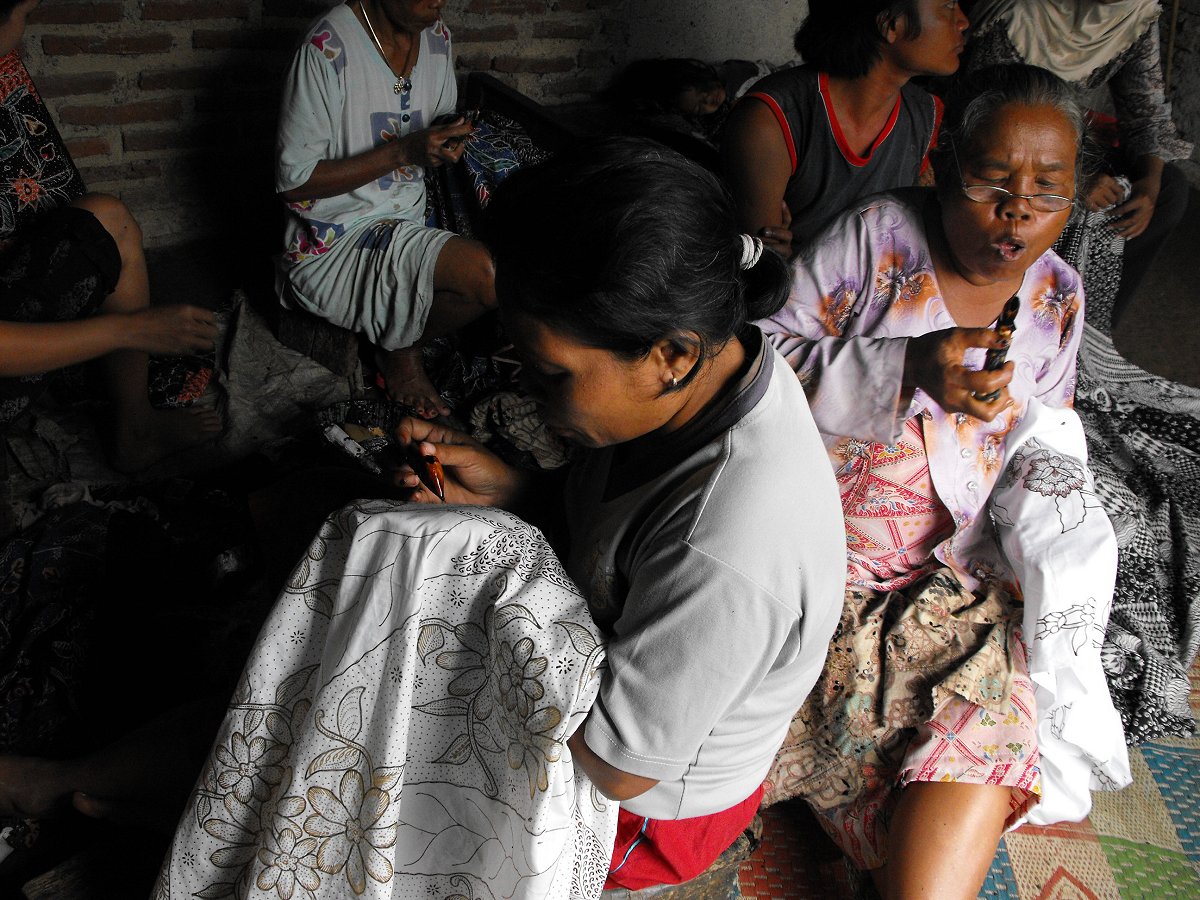
Hand drawn batik. Cirebon, North Java
To make a batik, selected areas of the design are blocked out by applying hot wax over them, a dye is applied on top and the parts covered in wax resist the dye and remain the original colour. A simple batik may be just one layer of wax and one dye, but this process of waxing and dyeing can be repeated many times if necessary to create more elaborate and colourful designs. After the final dyeing the wax is removed (usually in hot water) and the cloth is ready for wearing or displaying.
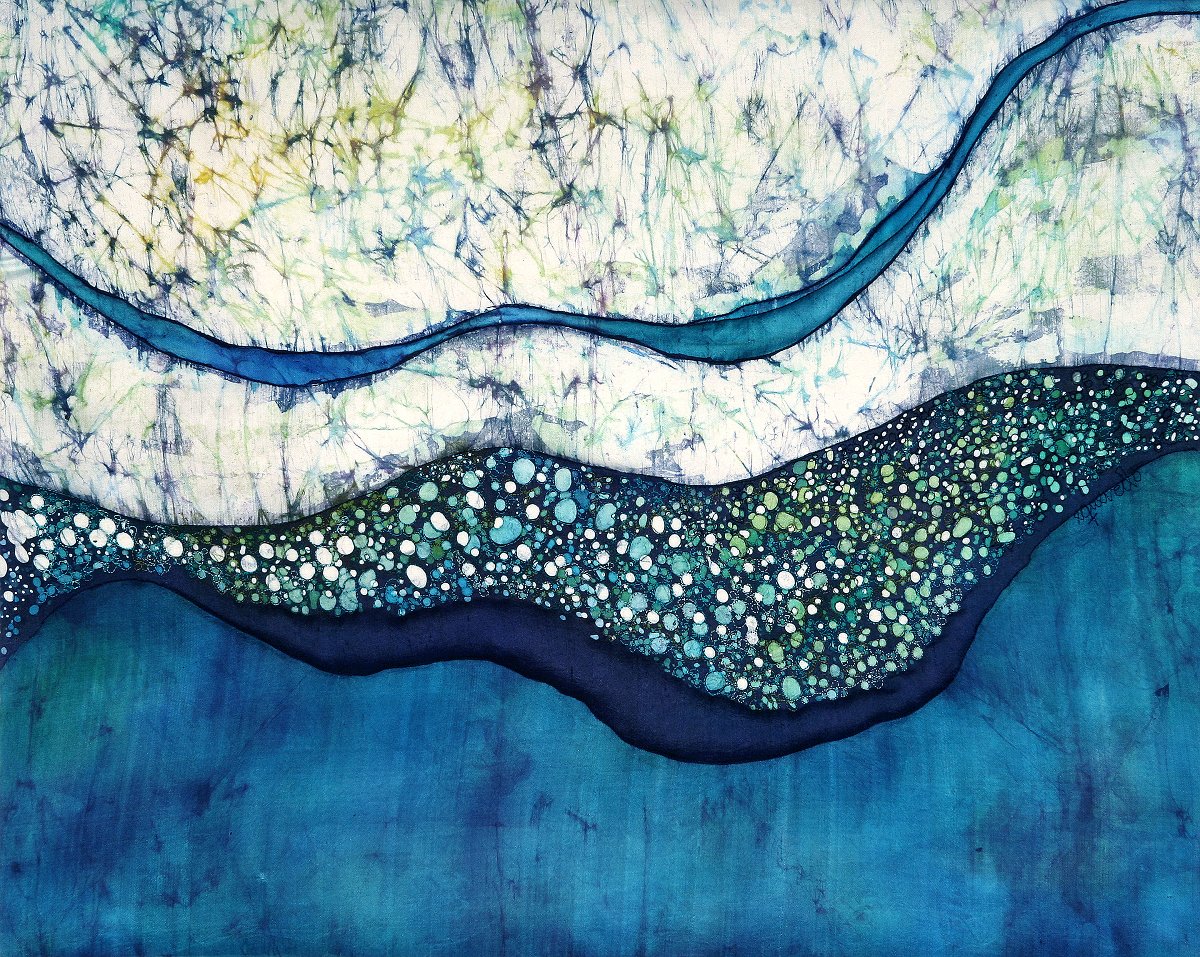
Elisa Quevedo
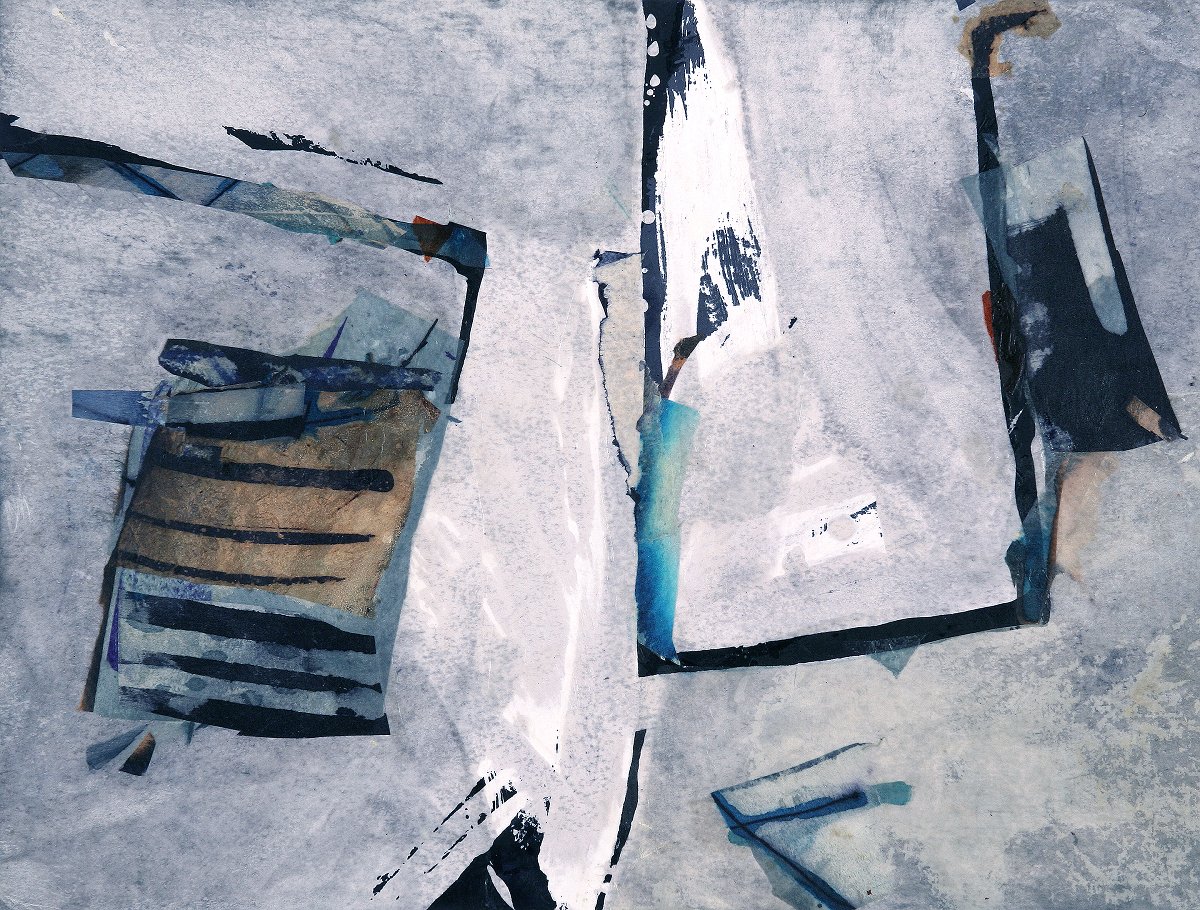
Hetty van Boekhout
Contemporary batik, while owing much to the past, is markedly different from the more traditional and formal styles of the past. The artist may use a wide variety of techniques to apply the wax and the dyes: spraying, etching, discharging, cracking, marbling, and use all sorts of different tools: copper and wooden stamps, brushes, stencils. She may also use wax recipes with different resist values: soya wax, beeswax, paraffin wax and work with natural and synthetic dyes on all kinds of surfaces.
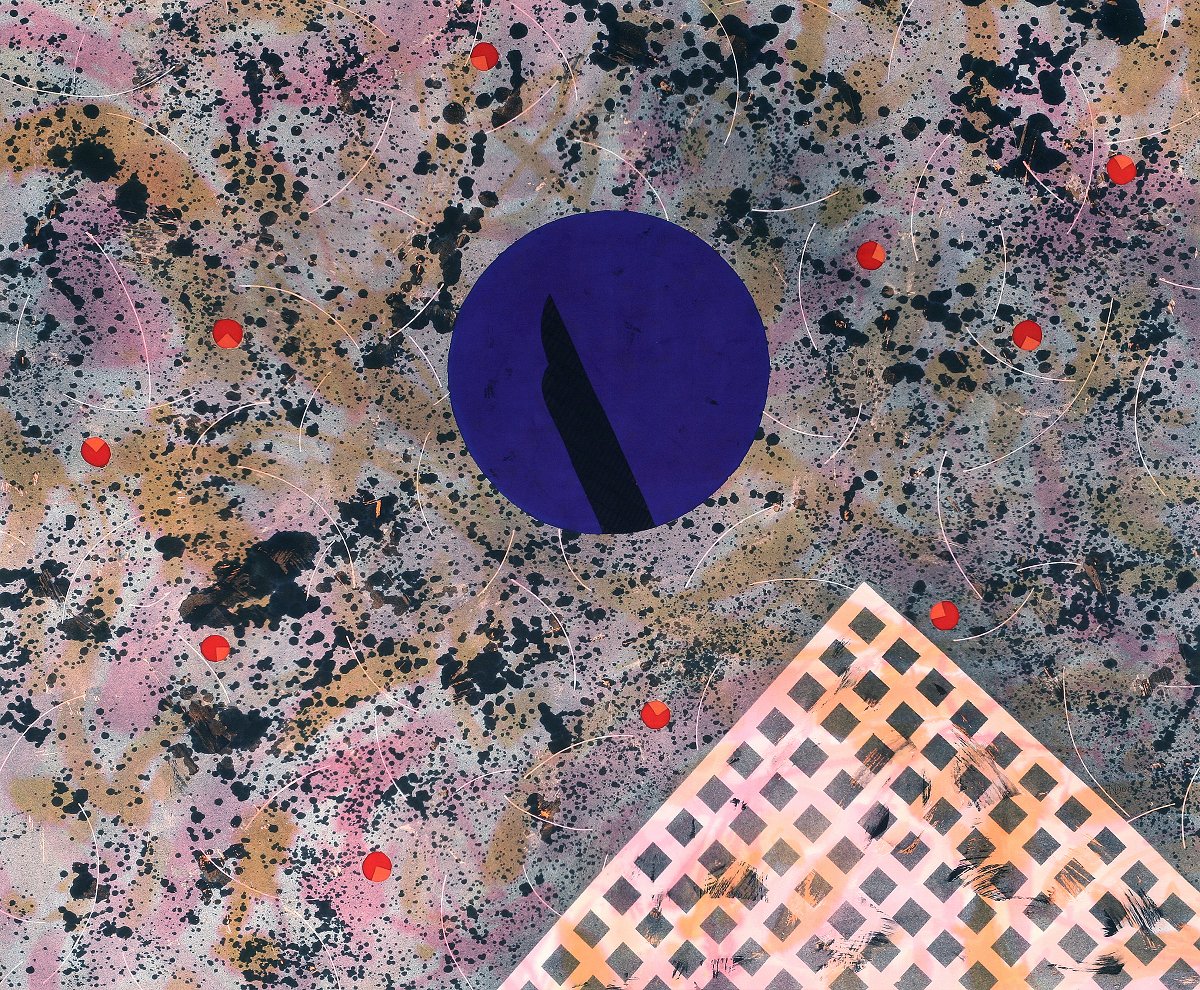
Noel Dyrenforth
Batik is historically the most expressive and subtle of all the resist methods. The ever-widening range of techniques available offers the artist the opportunity to explore a unique process in a flexible and very exciting way. The process of batik brings unexpected elements of surprise and delight which is why so many artists find it so fascinating and even addictive!
Text by Diane Gaffney
www.textiletraders.co.uk